Custom enclosures, machined to your drawing or molded

CNC machined cutouts, cable gland holes, engraving and color on the enclosures we stock or on the ones you already use. When the stock box runs out of room, custom injection molding from your CAD.

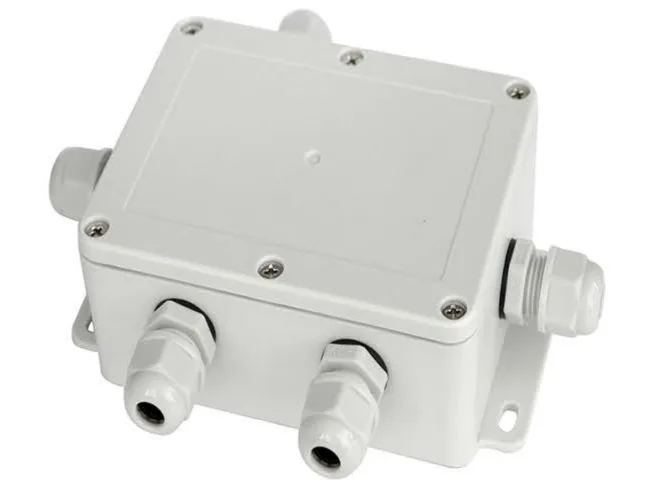
IP68 enclosure with cable glands fitted in machined holes
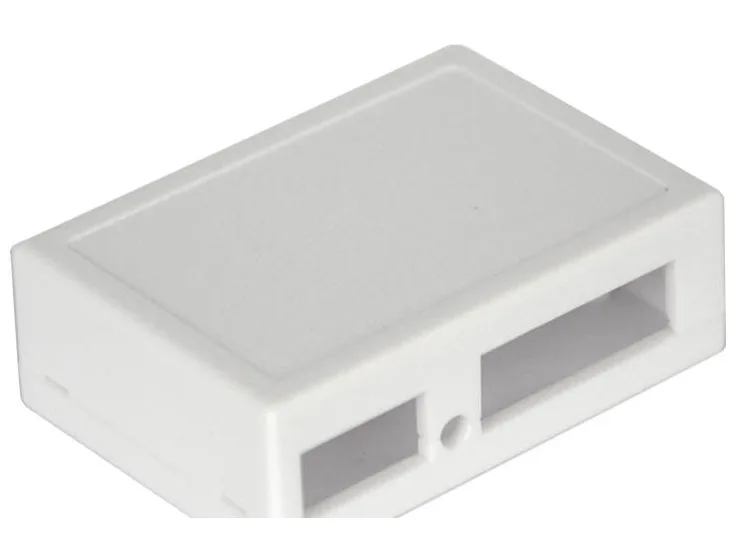
Enclosure with port openings

First article before every batch

One unit, measured against your drawing and approved by you.

What we do to a stock box

Four services, one supplier, the same drawing all the way through.

Machining

CNC cutouts and holes

Openings for circular and D-sub connectors, cable glands, RJ45 and USB ports, displays, LEDs, buttons, vents and antenna mounts, machined into the enclosure face, lid or sides at the positions on your drawing.

Every custom order begins with a first article. We machine one, photograph it with measurements against your drawing, and run the batch only after you approve. Repeat orders are cut from the same program.

ConnectorsCable glandsRJ45 and USBDisplaysLEDs and buttonsVentsAntenna mounts
Marking

Engraving and marking

Product name, logo, port labels, serial or regulatory text engraved into the enclosure so it does not wear off in the field. Supply the artwork as vector (SVG, DXF or PDF) and tell us where it sits.

LogoProduct namePort labelsSerial numbersRegulatory text
Finish

Color and finish

Color options depend on the enclosure line: some are stocked in several colors, some can be produced in a custom color at batch quantities. Tell us the target and we quote what that line can do, with a sample where it matters.

Stock coloursCustom colour at batch volumeSamples
Tooling

Molds and injection molded parts

For products that have outgrown a stock enclosure: custom housings, bezels, brackets and other plastic parts from your CAD. We review the design for molding, quote tooling and production separately, and deliver first-off parts for approval before the production run.

Most customers reach this step after a machined stock box has carried the first runs. That is the path we recommend: the mold is cut once the design is stable and the volume justifies it.

Custom housingsBezelsBracketsFirst-off parts

How a custom order runs

The batch is a repeat of something you have already approved, not a surprise.

  1. Send the drawing

    DXF, STEP, PDF or a dimensioned sketch, with the enclosure model and the quantity.

  2. We machine a first article

    One unit, photographed and measured against your drawing.

  3. You approve it

    Nothing runs in volume until you have signed off the first article.

  4. Batch and repeats

    The batch is cut from the same program, and so is every repeat order.

Before you cut a mold, check the ready-tooled housings

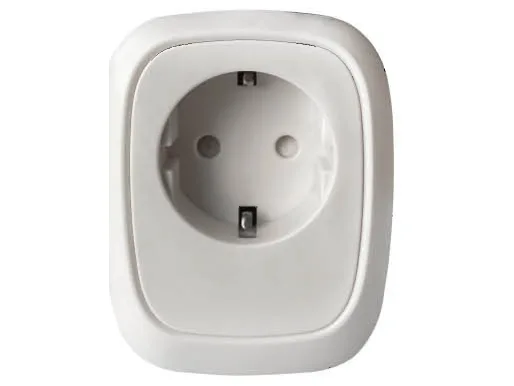
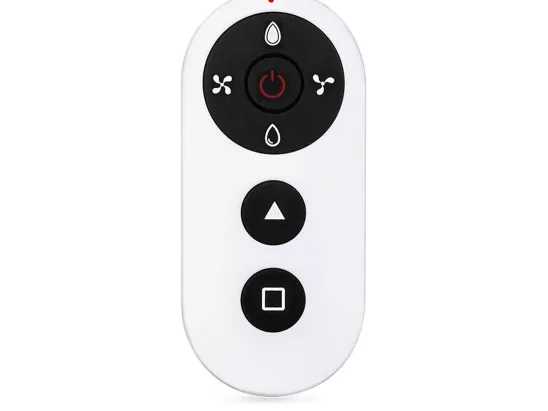
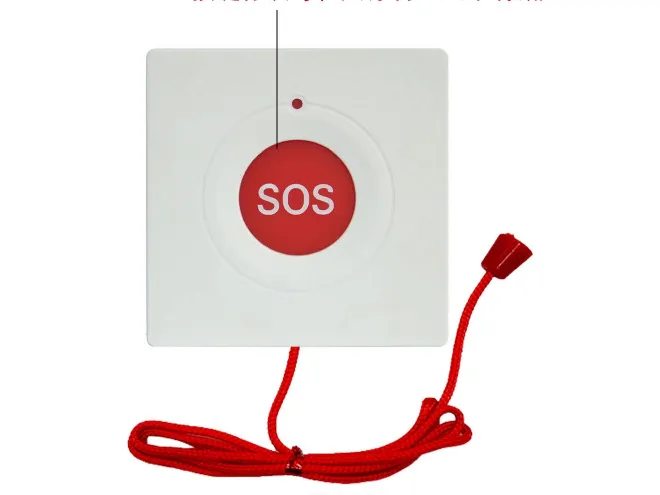
Panic buttons, sensors, smart plugs, gateways, wall switches and remotes that already have tooling. Your board, your logo, no mold cost.

Browse device housings

What to send for a quote

One email with these covers most orders. Anything missing, we ask.

  • Enclosure model, or the outer size and material you need
  • Cutout positions and dimensions (DXF, STEP, PDF or a sketch)
  • Engraving artwork as vector, and its position
  • Color or finish, if not the stock one
  • Quantity for the first order and expected repeat volume
  • Delivery destination and any date you are working to

Ready when you are

Send the drawing and quantity. We reply with price, lead time and any questions about the drawing.

Request a quote

or email [email protected]

Customization questions

What buyers ask before the first machined order.

Which file formats do you accept for cutout drawings?

DXF or STEP is ideal. A PDF drawing with dimensions, or a dimensioned sketch over a photo of the enclosure face, is enough to quote and to machine the first article.

Can you machine an enclosure I bought elsewhere?

Usually yes. Send the model and quantity, or ship us a sample. We confirm machinability and quote the work on your boxes.

Is there a minimum quantity for custom machining?

No. A single machined unit for a pilot is a normal order. The first article is the same process whether one or a batch follows.